Source Quilted Rain Jacket for Hotel, School, and Sport
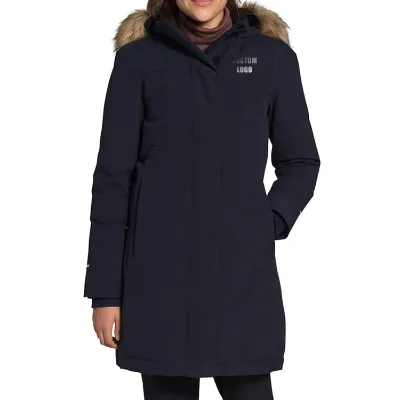
Compare 30 options for a quilted rain jacket designed for adults in winter or spring seasons. These unisex polyester tops feature windproof, waterproof, and breathable properties, with customization available for logos and colors to suit hotel, school, or sport applications.
Key considerations
Products List




Comprehensive Sourcing Guide
Quilted Rain Jacket Sourcing Guide
Procuring quilted rain jackets requires balancing thermal insulation with weather resistance, a combination that demands careful evaluation of material layering and seam construction. Buyers must distinguish between standard rain shells and insulated variants, as the latter introduces complexity in maintaining breathability while preventing moisture ingress. The observed market signals indicate a strong presence of polyester-based garments, with specific models like the Cheaper Rain Jacket-H001 and Jacket-01 highlighting the prevalence of synthetic shells. These products often feature windproof and waterproof properties, which are critical for winter and transitional season applications. Understanding the structural integrity of the quilted layers is essential, as improper stitching can compromise the jacket’s ability to repel water under pressure.
The sourcing landscape reveals a diverse range of customization options, including logo placement via heat transfer, printing, or embroidery, which appeals to corporate and promotional buyers. Observed listings show a wide color palette, from solid blues to multi-color and customizable options, allowing for brand alignment. However, the term "quilted" may not always align with every listed item, as some products are described as having no padding or lining, suggesting a focus on lightweight shell protection rather than thermal retention. Buyers should verify whether the quilted design serves a decorative purpose or provides actual insulation, as this distinction significantly impacts the garment’s performance in cold, wet environments.
Product Scope and Observed Listing Signals
The current market offers a variety of outerwear solutions that blend rain protection with casual or workwear aesthetics. Observed product models such as WY0425 and Jacket-01 demonstrate the flexibility in design, ranging from open-fronted structures to hooded tops. These items are frequently marketed for applications in hotels, schools, and sports environments, indicating a demand for durable, easy-care garments. The presence of features like anti-static, rip-stop, and quick-dry properties suggests that buyers are looking for functional durability alongside weather resistance. This scope extends beyond pure utility, incorporating leisure and style elements that make the jackets suitable for everyday wear in variable weather conditions.
Customization is a dominant theme in the observed listings, with suppliers offering tailored packaging, labels, and color options to meet specific brand requirements. The availability of OEM branding and customized colors allows businesses to create cohesive product lines for employees or customers. However, buyers must navigate the distinction between true quilted insulation and lightweight shells, as some products are explicitly noted as having no padding. This variability requires careful review of product descriptions to ensure the selected jacket meets the intended thermal and protective needs. The focus on polyester materials provides a cost-effective and versatile base, but the specific construction details must be verified to avoid mismatches in performance expectations.
Technical Specifications to Verify
Verifying the technical specifications of rain jackets is crucial to ensure they meet the required performance standards for wet and windy conditions. Buyers should confirm the shell composition, with many observed products using 100% polyester, which offers durability and water resistance. It is essential to check the waterproof rating and breathability metrics, as these factors determine comfort during physical activity. The presence of features like windproof and dust-proof capabilities adds to the jacket’s protective value, particularly in harsh environments. Additionally, the structure of the jacket, whether open-fronted or fully enclosed, impacts its functionality and ease of use, so these details must be clearly defined in the product specifications.
The inclusion of lining and padding is another critical specification to verify, as it affects the jacket’s thermal properties and weight. Some observed products are described as having no padding or lining, which may be suitable for mild weather but insufficient for winter conditions. Buyers should also examine the seam sealing and zipper quality, as these are common points of failure in rain gear. The packaging dimensions and gross weight, such as the 40cm50cm60cm package size and 5kg gross weight for certain models, provide insights into logistics and storage requirements. Ensuring that these technical details align with the intended use case is vital for avoiding post-purchase dissatisfaction and operational inefficiencies.
Compliance and Safety Documentation
Compliance with safety and quality standards is a fundamental requirement for sourcing rain jackets, particularly for industrial or promotional use. While specific certification statuses like CE are mentioned in some listings, buyers must verify the exact scope and validity of these certifications for their target markets. The EN 343 standard, which pertains to protective clothing against rain, is a relevant benchmark for evaluating the performance of rain gear. Buyers should request test reports that confirm the jacket’s ability to withstand water penetration and internal condensation, ensuring that the product meets regulatory requirements for safety and durability.
Documentation should also include material safety data sheets and compliance with chemical regulations, such as REACH or CPSIA, depending on the destination market. Buyers must ensure that the dyes and finishes used in the jackets are free from harmful substances, especially for products intended for children or sensitive skin. The presence of labels and custom branding must comply with labeling laws, including fiber content and care instructions. By rigorously reviewing these compliance documents, buyers can mitigate legal risks and ensure that the sourced jackets meet both safety and quality expectations, fostering trust with end-users and stakeholders.
Cost Drivers and Commercial Terms
Understanding the cost drivers for quilted rain jackets involves analyzing material choices, customization levels, and order volumes. The use of polyester as a primary material helps keep costs competitive, but the addition of waterproof membranes or quilted insulation can increase the price. Customization options, such as logo printing, embroidery, and tailored packaging, add to the overall cost, so buyers should prioritize these features based on their branding needs. The observed MOQ range of 100 to 1000 pieces suggests that smaller orders may incur higher per-unit costs, while larger volumes can leverage economies of scale to reduce expenses.
Commercial terms, including payment methods, shipping arrangements, and lead times, significantly impact the total cost of ownership. Buyers should negotiate clear terms for quality assurance and returns, ensuring that defective products can be addressed without significant financial loss. The packaging details, such as PE bags or boxes, affect shipping efficiency and cost, so optimizing these elements can lead to savings. Additionally, buyers should consider the total landed cost, including duties and taxes, when evaluating supplier quotes. By carefully managing these commercial variables, buyers can achieve a balance between cost efficiency and product quality, ensuring a successful procurement outcome.
Supplier Qualification and Quality Control
Supplier qualification is a critical step in ensuring the reliability and consistency of quilted rain jacket supplies. Buyers should assess suppliers’ production capabilities, including their experience with waterproof and breathable fabrics, as well as their ability to handle customization requests. Verifying the supplier’s quality control processes, such as in-line inspections and final random inspections, helps ensure that the products meet the specified standards. Suppliers with a track record of delivering consistent quality and meeting deadlines are preferable, as they reduce the risk of supply chain disruptions and quality issues.
Quality control measures should also include testing for durability, colorfastness, and water resistance, ensuring that the jackets perform as expected under real-world conditions. Buyers should request samples to evaluate the fit, finish, and functionality of the jackets before placing large orders. Establishing clear communication channels with suppliers facilitates the resolution of any issues that arise during production or delivery. By investing time in supplier qualification and implementing robust quality control protocols, buyers can build a reliable supply chain that supports their business objectives and customer satisfaction.
Long-Term Procurement Checks
Long-term procurement checks involve continuous monitoring of supplier performance and market trends to ensure sustained value. Buyers should regularly review supplier metrics, such as on-time delivery rates, defect rates, and responsiveness to issues, to identify areas for improvement. Staying informed about advancements in fabric technology and design trends helps buyers make informed decisions about product updates and innovations. Additionally, buyers should assess the sustainability practices of their suppliers, as environmental considerations are increasingly important to consumers and regulators.
Building strong relationships with suppliers through regular communication and collaborative planning can enhance supply chain resilience and flexibility. Buyers should also consider diversifying their supplier base to mitigate risks associated with single-source dependencies. By implementing a structured approach to long-term procurement, buyers can ensure that their sourcing strategy remains aligned with business goals and market demands. This proactive stance enables buyers to adapt to changing conditions and maintain a competitive edge in the marketplace, securing a steady supply of high-quality quilted rain jackets.
FAQs
Can I customize the quilted rain jacket with my logo?
Yes, customization is available for these jackets. You can choose from heat transfer, printing, or embroidery methods to apply your logo. The product supports custom labels and packaging options. This allows you to brand the apparel effectively for corporate or retail purposes while maintaining the windproof and waterproof features.
What material is used for the quilted rain jacket?
The jacket is constructed from 100% polyester. This material provides essential features such as windproof, waterproof, and breathable properties. It also includes anti-static and rip-stop capabilities. The standard specification confirms the shell is entirely polyester, ensuring durability and comfort for outdoor or working environments during winter or spring seasons.
What is the minimum order quantity for these jackets?
The minimum order quantity is 1000 pieces. This MOQ applies to the customizable rain jacket models listed. Buyers should note that this quantity is required to proceed with orders. The product is designed for bulk procurement, making it suitable for businesses needing uniform apparel or large-scale distribution for sports or hotel applications.
Which certifications do the quilted rain jackets have?
The product holds CE certification. This standard ensures the item meets specific safety and quality requirements for the European market. The certification is explicitly listed for the WY0425 model. Buyers relying on this standard can proceed with confidence regarding regulatory compliance for international trade and distribution channels.
What colors are available for the quilted rain jacket?
Multiple color options are available, including blue, multi-color, and customized colors. Buyers can request specific shades to match their branding needs. The product supports custom color requests, allowing for flexibility in design. This variety ensures that the jackets can be tailored for different applications, from leisure wear to professional working clothes.
How are the quilted rain jackets packaged for shipping?
Packaging varies by model, including PE bags, boxes, or custom bags. The standard packing for some models is a PE bag, while others use boxes. Customized packaging is also accepted upon request. The package size and gross weight are specified for logistics planning, ensuring efficient handling and storage for bulk orders during international shipping.